A personal introduction
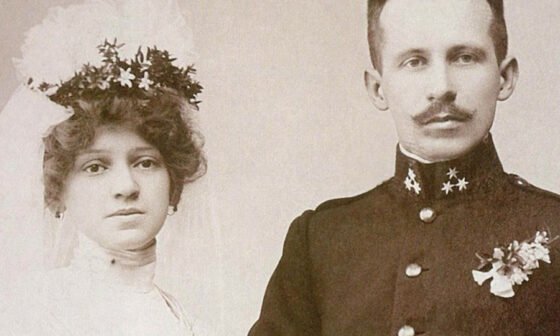
Growing up, I thought every town had a small miraculous workshop where stones spoke. The individual at the top of this piece begins his life there. Born in Ticino, Switzerland, about 1900, he moved to the US in the early 1920s. He arrived with hands trained in patient-specific cutting, carving, and polishing. He developed a business and a family craft and continuity vocabulary in New England.
The family at the center
Family was literal and metaphorical stone for the household. The household included his wife Rena, their son Harold, and their daughter who would go on to national recognition as an actress and comedian. I think of the family as three generations seen through the grain of carved granite and the rhythm of a shop bell. Their names are part of the narrative but so is the way their lives intersected with work: the shop, the home, the apprenticeships, the small daily economies of a tradesman family.
Harold G. Buzzi – the son who carried the trade
Harold was born July 8, 1930. He learned the business from his father and became the steward of the workshop after the elder man’s death in the 1960s. Harold ran the family memorial business for decades, keeping a line of continuity from the 1930s through the early 21st century. He died September 26, 2019. His life reads like a ledger that balances craft, local reputation, and the slow passage of time.
Ruth Buzzi – the daughter who left the shop for the stage
Ruth was born July 24, 1936. She grew up in the same environment where stone was a constant presence. That early landscape of memory and masonry remained part of her story even after she became a public figure. I like to imagine her comedy shaped in part by the rhythm of chisels and the quiet resilience of people who work with their hands.
Career and craft: what was made and how
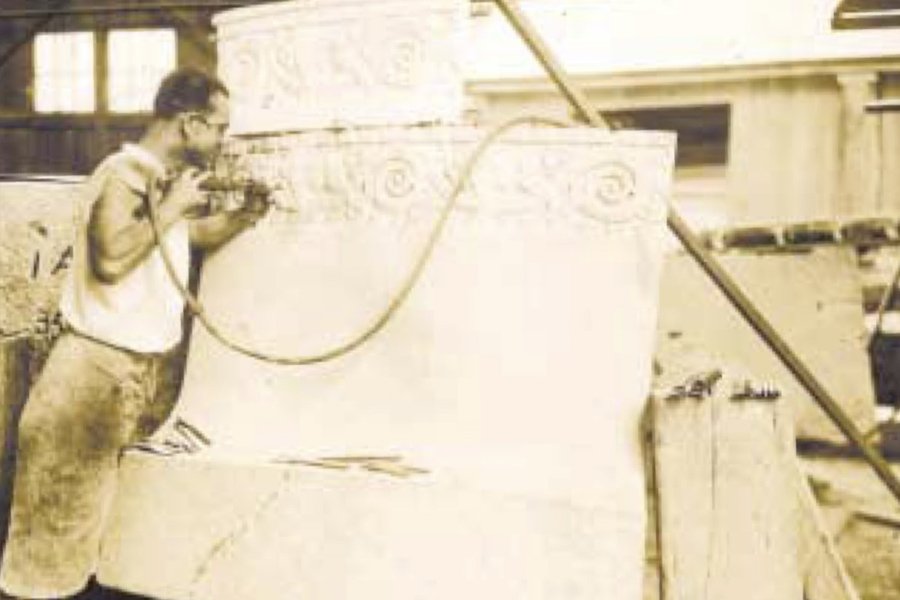
Around 1933, he started a Connecticut monument and headstone business. The company constructed thousands of memorials and headstones with names, dates, and engraved motifs to mourn. He worked on architectural commissions as well as cemetery stones. Local legend credits the business with carving various New York and New England public projects. These attributes make him a skilled artisan between design and implementation.
Working in this trade requires teamwork. A famous sculptor may create a form. The master stonecutters and their shops turn that drawing into reality. His shop served as an interpreter. The interpreter’s signature is rarely bold, yet the work survives.
Business and financial notes
Buzzi Memorials existed as a family owned small business. Founded in the 1930s, it passed from founder to son and persisted through local economic shifts for more than 70 years. I do not have exact revenue numbers to report. What is evident are dates and transitions: business origin c. 1933, son Harold born 1930, founder passing in the mid 1960s, Harold’s death in 2019. Those numerical anchors tell the basic financial story: a family enterprise sustained across decades in a local marketplace.
Public attributions and the complexity of credit
I want to emphasize a point about credit and authorship. Many public monuments involve more than one name. One person draws; another carves; others install. Local histories credit the Buzzi shop for executing carvings on exterior and interior architectural ornamentation and on a few memorial installations that appear in civic contexts. That is different from being the designer, and the distinction matters to art historians and to anyone tracking provenance. Still, when a community remembers the hands that cut the words on a stone, it often remembers the craftsmen as much as the designers.
A timeline in table form
| Year or Date | Event |
|---|---|
| c. 1900 | Birth in Arzo, canton of Ticino, Switzerland |
| c. 1923 | Immigration to the United States |
| 1929 | Marriage to Rena Pauline Macchi (approximate family record) |
| 1930 | Son Harold G. Buzzi born on July 8 |
| 1933 | Founding of the family memorial business, approximate |
| 1936 | Daughter Ruth Ann Buzzi born on July 24 |
| mid 1960s | Death of the founder, business passed to Harold |
| 2019 | Harold G. Buzzi died on September 26 |
| 2025 | Daughter Ruth Buzzi passed, prompting renewed retrospectives |
Style and signature of work
His carving style is faithful and durable, not spectacular. Headstones must be legible and emotional. Weatherproof markers and generations-readable communications are needed. The aesthetic of functional beauty combines discipline, empathy, and technical perfection.
I imagine the workshop as a little cathedral where every tool is liturgy and every client conversation is a commissioning rite. Using names, dates, and symbols, practical art turns a life into a lasting sign.
Recent mentions and cultural echoes
Even decades after his death, his name reappears in stories about family, craft, and memory. When the public revisits the life of his daughter, journalists and obituaries return to the family origin story and describe the shop that shaped her childhood. Local historical societies and community memory projects also keep the account alive, and social media in small-town history groups repeats the narrative in new forms.
FAQ
Who was Angelo Peter Buzzi?
He was a stonemason and the founder of a family memorial firm established around 1933. Born around 1900 in Ticino, Switzerland, he immigrated to the United States in the early 1920s and settled in New England.
What is known about his family?
He married Rena Pauline Macchi. His children included Harold, born July 8, 1930, who ran the business after him, and Ruth, born July 24, 1936, who became an actress and comedian.
What did the business produce?
The business produced tens of thousands of memorials and headstones, along with carved architectural components attributed by local tradition to the shop. The workshop handled everything from lettering to carved motifs and occasionally larger execution work for public projects.
Are there specific public monuments he carved?
Local histories and family accounts credit the shop with executing stonework on several public commissions in New York and New England. Institutional attributions can list designers and principal sculptors separately, while the executing carver or shop is often named in community records.
What happened to the business?
The business remained in the family, passing from founder to son Harold, and continued for many decades as a local memorial enterprise. Harold ran it until his death on September 26, 2019.
Why does his story matter to me and to local history?
Because his life and shop are a window into a mode of American life where craft, family, and community needs cross. In a handful of dates and the rhythm of daily work we can see persistence, adaptation, and a particular form of artistry that speaks quietly but endures.